
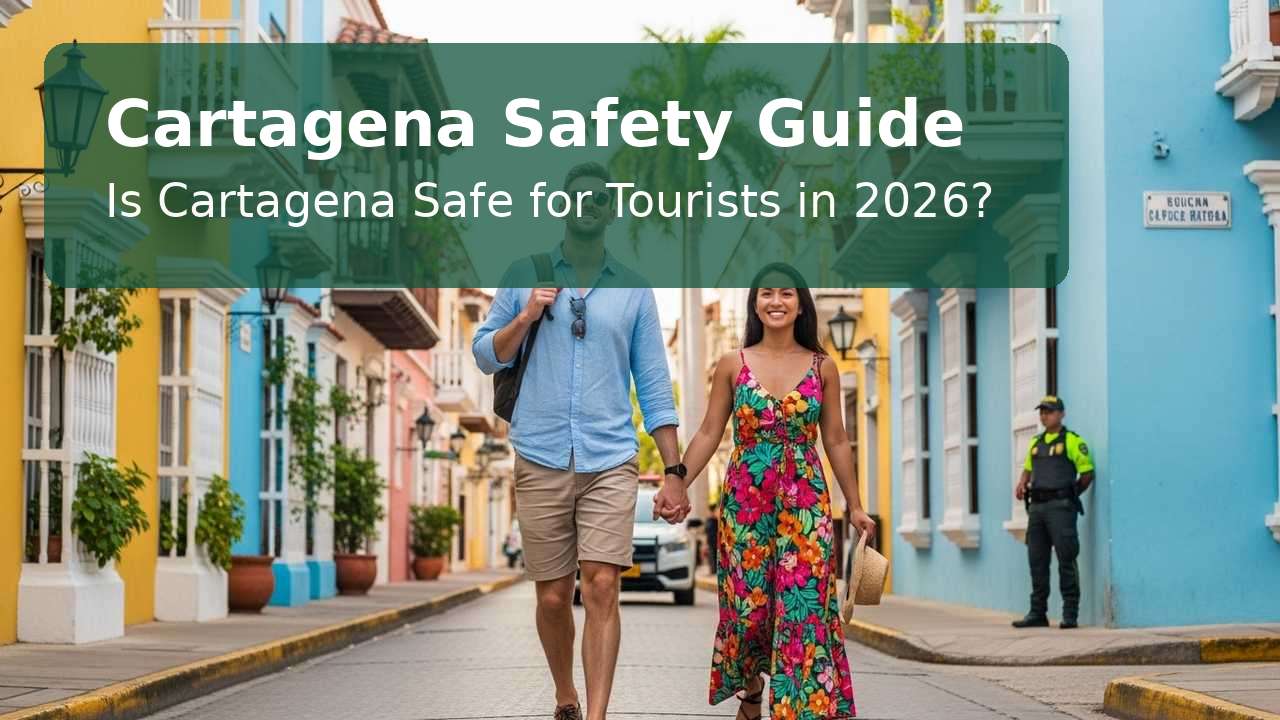
Cartagena draws visitors with its old city walls, Caribbean beaches, rooftop bars, and easy island trips. Safety questions still deserve a direct answer because the risks change by area, time, transport choice, and the way you handle money and personal items.
Cartagena can work well for tourists who stay in established visitor areas and make a few firm choices. Petty theft, phone snatching, price disputes, unsafe transport, drink spiking, and boat safety deserve more attention than broad labels such as safe or dangerous.
This guide uses current government advisories, Cartagena’s 2026 taxi rules, local health reports, and official reporting channels.
Cartagena safety guide: key takeaways
- Base yourself in El Centro, San Diego, Bocagrande, or a busy part of Getsemaní.
- Keep your phone out of sight near road edges, crowded squares, and busy nightlife streets.
- Use a hotel-arranged taxi, an authorized taxi line, or a ride app. Check the plate before entering.
- Cartagena’s 2026 minimum taxi fare is COP 12,250. A COP 1,100 night surcharge applies from 7:00 p.m. to 5:00 a.m.
- Agree on the full price before accepting a beach chair, massage, photo, seafood meal, or street service.
- Avoid walking through empty streets after nightlife crowds thin out. Book your ride before leaving the venue.
- Keep control of your drink. Take dating-app meetings seriously and never bring a new acquaintance to your room.
- For Rosario Islands trips, leave from Muelle de La Bodeguita, check the operator’s RNT status, and inspect the life jacket before boarding.
- Save 123 for emergencies, 155 for support for women, and 165 for kidnapping or extortion.
- If a phone or wallet is stolen, physical safety comes first. Lock accounts, block cards, report the loss, and collect proof for insurance.
Current Colombia travel advice
The U.S. Department of State lists Colombia at Level 3, Reconsider Travel. The advice covers crime, kidnapping, unrest, terrorism, and natural-disaster risks. Cartagena is outside the Colombian regions named under the highest U.S. warning, though city visitors still need normal urban precautions.
Canada advises travelers to exercise a high degree of caution in Colombia because of crime. Its July 9, 2026 update names Cartagena in warnings about dating-app crimes and drugging. UK advice also warns that criminals may use scopolamine or other drugs in food, drinks, cigarettes, and other items.
A national advisory does not give each Cartagena street the same risk level. It does mean you should check your country’s latest advice, avoid demonstrations, use secure transport, and keep a plan for theft or medical trouble.
| Situation | When risk rises | Safer choice |
|---|---|---|
| Walking in El Centro or San Diego | Empty side streets, visible phone use, late-night walks alone | Use active streets, check directions inside a shop, take a car after crowds thin |
| Walking in Getsemaní | Leaving the main nightlife blocks, heavy drinking, walking home alone | Stay with your group and set a pickup point before going out |
| Bocagrande beach | Leaving bags unattended, accepting services without a price | Carry little, take turns swimming, confirm the total first |
| Taxi ride | Street hail, hidden plate, driver card missing, another passenger inside | Use a hotel, taxi company, or ride app and share the plate |
| ATM withdrawal | Outdoor ATM, nighttime withdrawal, accepting help | Use an ATM inside a bank or shopping center during open hours |
| Dating-app meeting | Private apartment, isolated bar, no check-in plan | Meet in a staffed public venue and use your own ride home |
| Island tour | Street seller, unclear operator, overloaded boat, poor weather | Verify the operator, leave from La Bodeguita, check safety equipment |
| Night out | Unattended drink, separated group, no return transport | Keep control of your drink and book the return ride early |
This Cartagena Safety Guide focuses on reducing these specific risks. For ATM use, Colombian pesos, card payments, and common conversion mistakes, read my Currency in Colombia guide.
Is Cartagena safe for American tourists?
American tourists face the same street risks as other foreign visitors. Your passport changes which embassy can assist you, not how phone theft, taxi abuse, or drink spiking happens.
Stay in a central area, keep a copy of your passport separate from the original, and save the U.S. Embassy Bogotá number before the trip. The U.S. Embassy main and after-hours number is +57 601 275 2000.
STEP enrollment can send security updates and make it easier for the embassy to contact you during a serious incident. It does not replace travel insurance or local emergency services.
Is Cartagena Safe at Night?
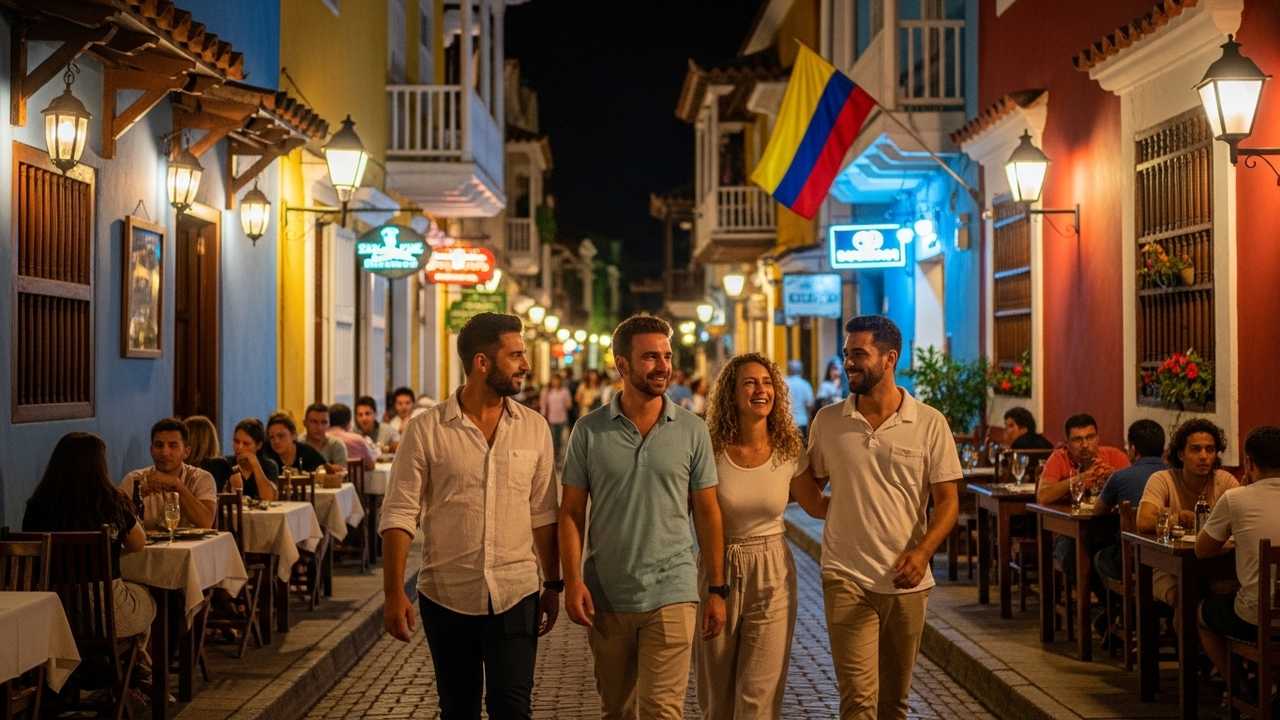
El Centro, Bocagrande, and the busy nightlife streets of Getsemaní can remain active after dark. Conditions change once shops close, groups leave, rain clears a street, or you move a few blocks away from the main route.
Use a simple rule: walk where businesses are open, people are moving, and lighting is good. Take a car when the route becomes empty, you have been drinking, you are carrying a camera, or you need to keep checking your phone.
Set a clear pickup point before entering a crowded bar. The Clock Tower area and major hotel entrances are easier for drivers to find than a narrow side street. Wait inside the venue until the car arrives, then match the plate and driver details shown in the app.
Avoid beaches after dark when the area is quiet. Sand, poor lighting, alcohol, and fewer witnesses make theft and medical emergencies harder to manage. For evening activities, safer areas, and return transport planning, read my guide to things to do in Cartagena at night.
Is Cartagena Safe for Solo Female Travelers?
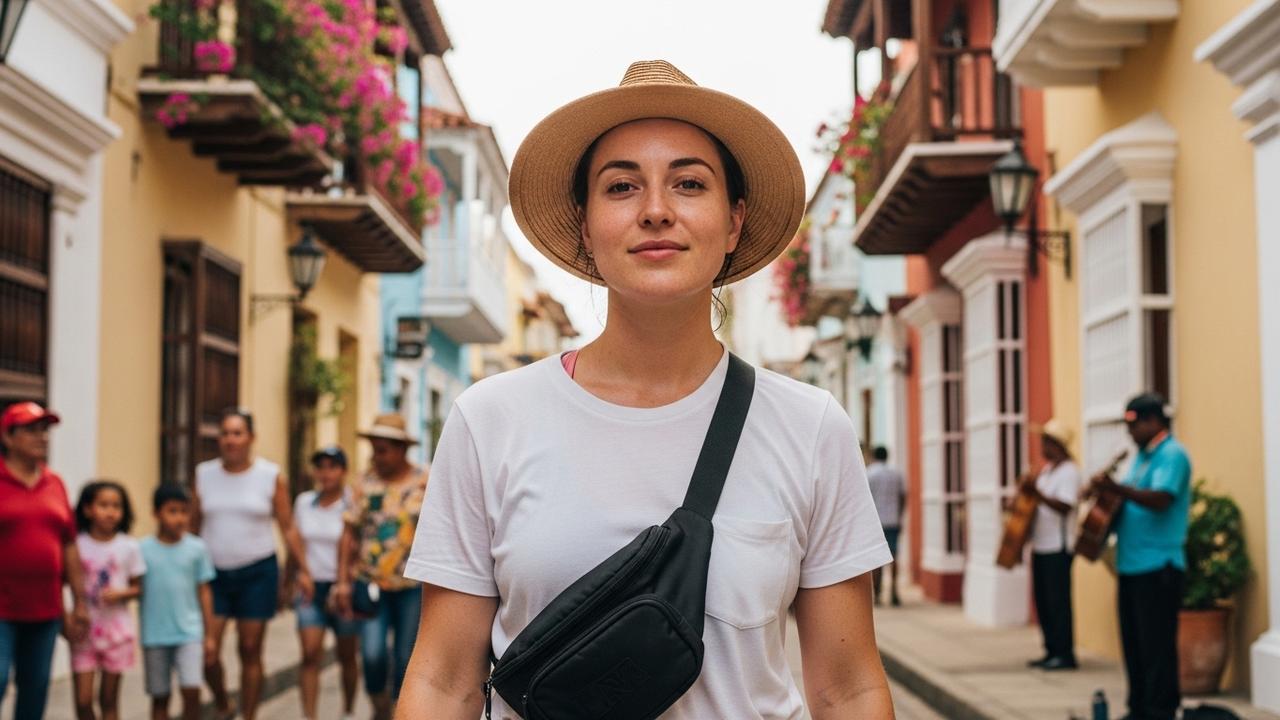
Many women visit Cartagena alone. A good plan includes accommodation security, transport at night, drink control, and a response for harassment.
Choose a hotel or apartment with a staffed entrance, a working room lock, and a clear guest policy. Send your accommodation and travel plan to someone you trust. Use your own transport after dark and avoid rides offered by strangers. My guide to things to do in Cartagena solo also covers solo-friendly areas, group tours, daily plans, and ways to meet other travelers.
Verbal harassment can happen. Move into a staffed shop, hotel, or restaurant if someone follows you or blocks your path. Call 123 during an immediate threat. Line 155 gives 24-hour guidance to women facing violence.
Sexual assault has been reported in Colombian tourist areas. Treat unwanted touching, forced transport, threats, and suspected drugging as serious events. Seek medical care and police support as soon as you reach safety.
Partying, dating apps, and drink spiking
Cartagena’s nightlife can be fun, though alcohol lowers your ability to check prices, transport, and people around you. Decide how you will return before the first drink.
Keep your drink in your hand or in sight. Do not accept opened drinks, cigarettes, gum, food, or other items from strangers or new acquaintances. Leave with the same people you arrived with, or tell a friend before changing plans.
Canada reports that criminals use dating apps to target foreigners in Cartagena and other large Colombian cities. A victim may meet the same person several times before being drugged, robbed, kidnapped, or taken to an ATM. Drugging has caused overdoses and deaths.
Use these checks for an online date:
- Video call before meeting.
- Meet in a busy venue with staff and cameras.
- Send the profile, venue, and meeting time to a friend.
- Set a check-in time.
- Use your own transport both ways.
- Do not bring a new acquaintance to your hotel or apartment.
- Do not go to their home.
- Leave if they pressure you to change the venue or accept a drink you did not see prepared.
Possible signs of drugging include sudden confusion, extreme sleepiness, poor balance, memory loss, blurred vision, or loss of control that does not match the amount of alcohol consumed.
Call 123 and seek medical care. Do not let the person sleep alone or leave with someone you do not know.
Is Cartagena Safe for Digital Nomads?
Long-stay visitors repeat the same routes and carry more expensive equipment. This creates different risks from a short sightseeing trip.
Check the building before booking:
- Is the entrance staffed or controlled?
- Are visitors required to show ID?
- Do the room, balcony, and windows lock properly?
- Is the safe fixed to a wall or cabinet?
- Can you store a laptop out of sight?
- Is the street active when you return at night?
- Can a driver stop near the entrance without leaving you on an empty block?
Do not work with a laptop beside an open street-facing window or leave it visible when housekeeping, maintenance staff, or visitors enter.
Carry a small device or only the equipment needed that day. Keep backup codes for email, banking, and two-factor login away from your phone.
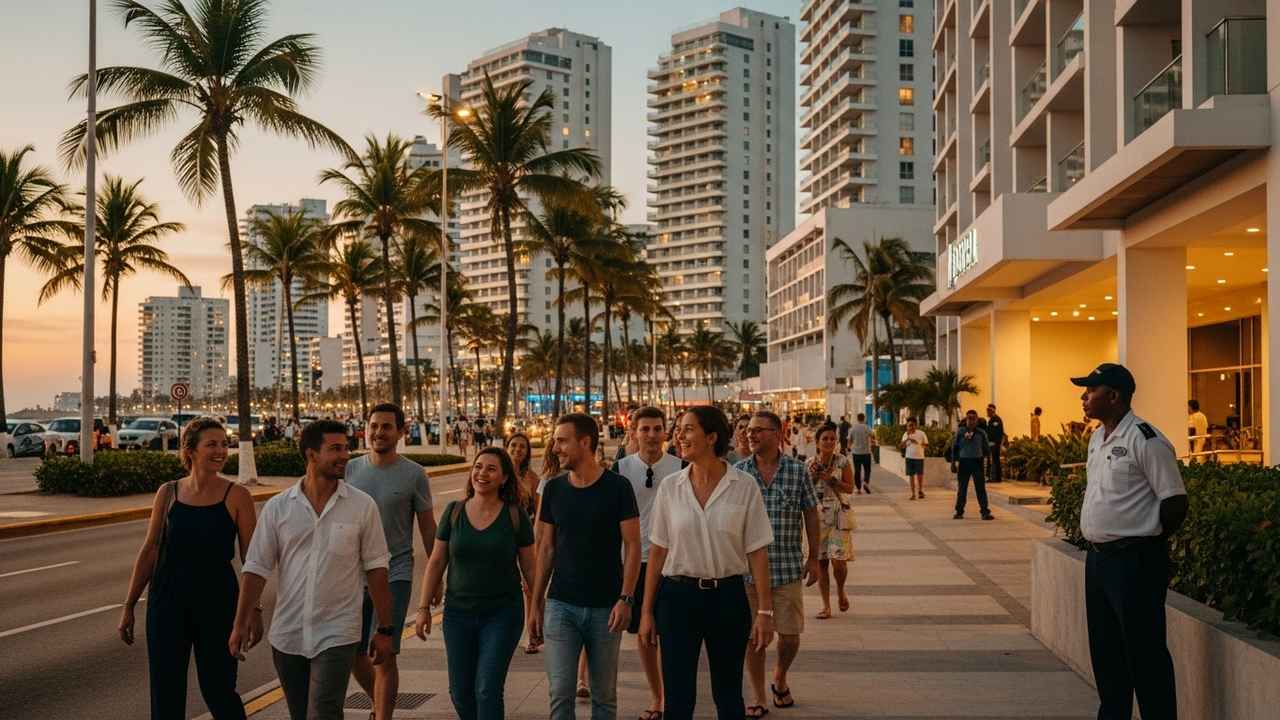
| Area | Best for | Safety trade-off |
|---|---|---|
| El Centro | First visit, historic sights, short walks | Busy squares can attract pickpockets and persistent vendors |
| San Diego | Quieter old-city stay, couples, families | Some streets become quiet late, so a ride may still be useful |
| Bocagrande | Beach hotels, modern buildings, families | Beach-service price disputes and unattended-bag theft can occur |
| Getsemaní | Nightlife, hostels, street culture | Main blocks stay busy; side streets can empty fast |
| Castillogrande or El Laguito | Quieter apartment stay | Longer rides to old-city nightlife and fewer late-night walkers |
Avoid outer residential neighborhoods not designed for tourism. No neighborhood is free from theft or scams. These areas are practical bases because they have more visitor accommodation, restaurants, transport, and regular foot traffic.
A cheap room in an unfamiliar outer district can increase transport time and late-night exposure. Check the exact block, recent guest comments, entrance security, and nighttime return route before booking.
For hotel costs and a fuller area comparison, read my guide to where to stay in Cartagena.
Transportation Safety
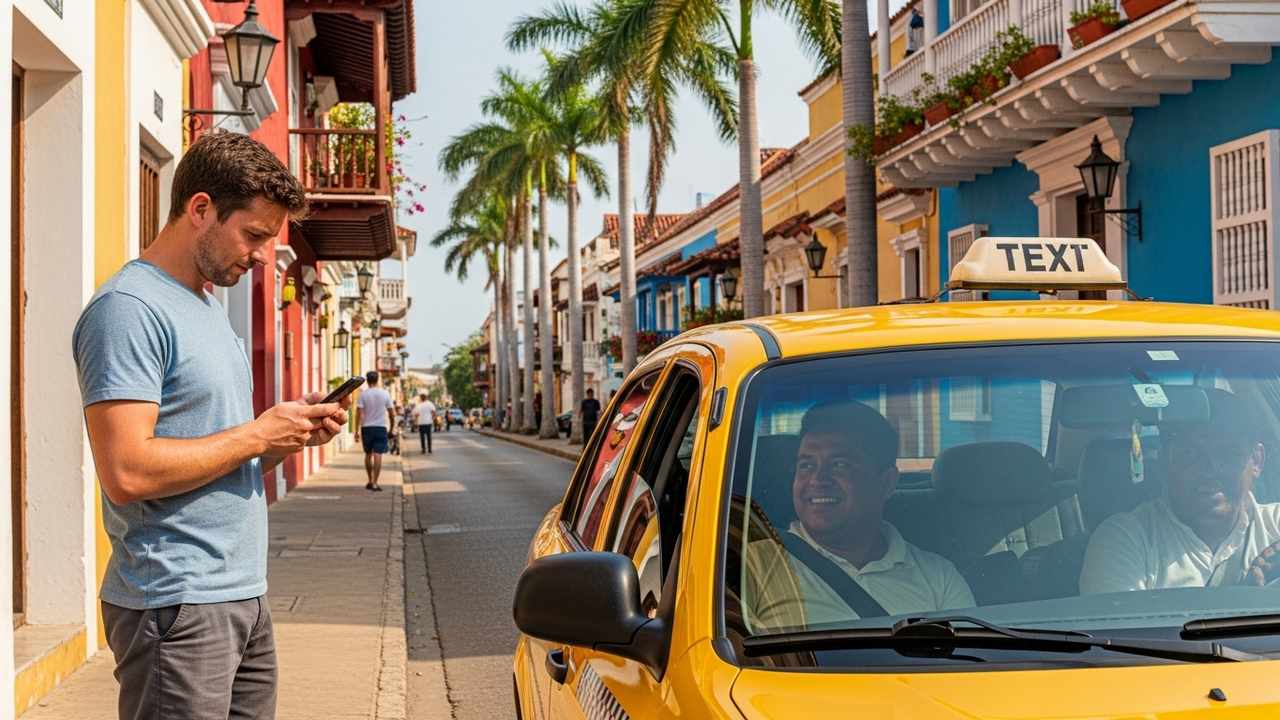
Taxi fares and driver checks
Cartagena set the 2026 minimum taxi fare at COP 12,250. The night surcharge is COP 1,100 from 7:00 p.m. to 5:00 a.m. The driver must keep the control card visible, with vehicle and fare information.
Ask for the total fare before the car moves. A useful Spanish line is:
¿Cuánto cuesta el viaje completo hasta [place], con todos los recargos?
This means: How much is the full trip to [place], including all surcharges?
Before entering:
- Check the licence plate.
- Check the visible driver card.
- Make sure no other passenger is inside.
- Send the plate to a friend or take a screenshot.
- Keep doors locked and bags away from open windows.
- Pay after reaching the agreed destination.
Cartagena’s DATT accepts reports about excessive taxi charges and service problems through the Catalina WhatsApp line at 323 319 0810. Include a photo of the plate, driver-card details, date, time, route, and amount charged.
Ride apps
Ride apps show the route, driver details, and estimated price before the trip. Match the plate, car, and driver before entering. Cancel if the details do not match.
Do not wait at the road edge with your phone raised. Check the app inside a hotel, restaurant, or shop, then step outside when the car is close.
Airport transfers
Use the official airport taxi area, a hotel-arranged ride, or a booked transfer with a named company. Confirm the price, destination, meeting point, and whether parking or waiting fees are included.
My Cartagena Airport to City guide compares transfer choices and current costs.
Common Scams in Cartagena
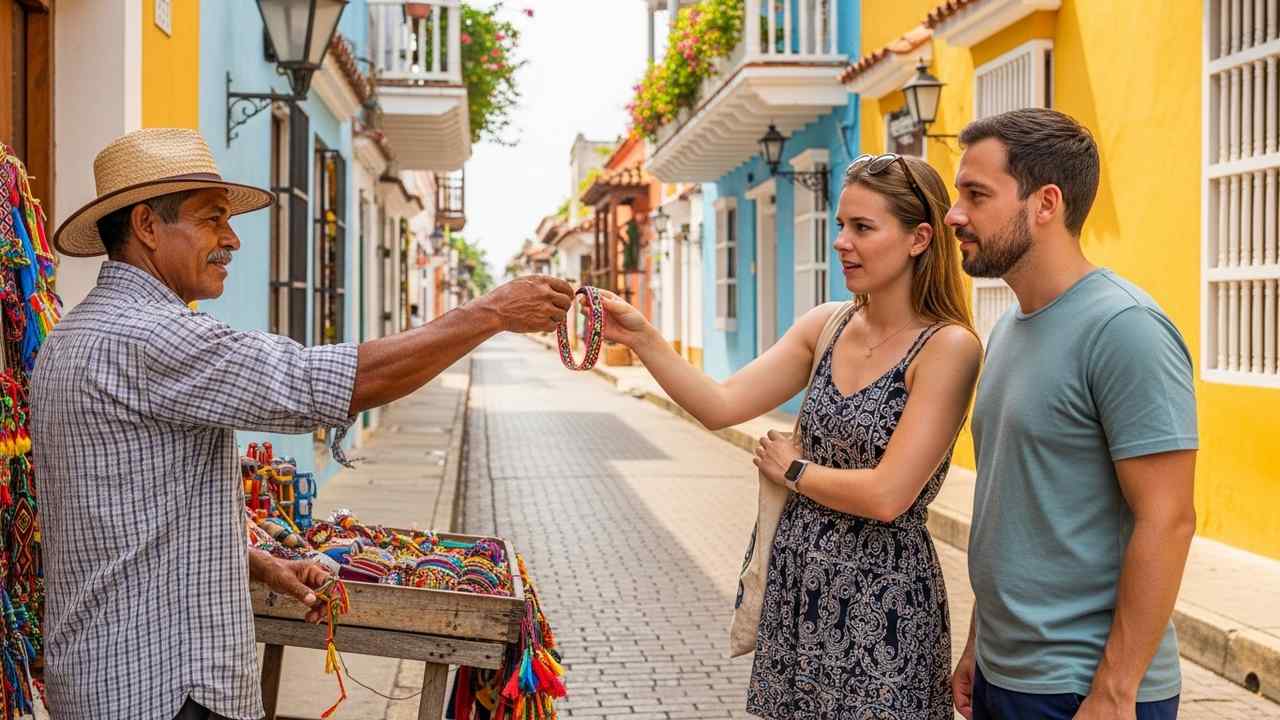
Most street sellers are working honestly. Problems begin when the total price, quantity, time, or extra fees were never agreed.
Common disputes include:
- A bracelet or sample presented as free, followed by a payment demand.
- A photo with a performer or palenquera without an agreed price.
- A beach chair price that excludes the umbrella, table, or minimum food order.
- A massage that becomes longer or more expensive than discussed.
- Seafood priced by weight without showing the weight or total.
- A club or restaurant bill with extra drinks or an unclear service charge.
- A boat tour that excludes port fees, transport, lunch, or a promised stop.
- Someone posing as an official who asks to inspect cash, cards, or documents.
Use this price-confirmation method before accepting anything:
- Ask for the full total in Colombian pesos.
- State the number of people, items, chairs, minutes, or hours.
- Ask what is included.
- Ask whether service, tax, transport, or entry fees are extra.
- Show the amount on your phone calculator.
- Take a photo of the menu or price list.
- Pay after the service when reasonable.
- Check the card terminal amount before entering your PIN.
My guide to cheap things to do in Cartagena includes current transport, attraction, food, and vendor costs that can help you judge whether a quote is reasonable.
Useful Spanish:
¿Este es el precio total para dos personas?
Is this the full price for 2 people?
¿Qué incluye y qué se paga aparte?
What is included, and what costs extra?
No acepté ese precio. Voy a pedir ayuda.
I did not agree to that price. I am going to ask for help.
Do not hand cash, cards, or a passport to someone claiming to be police on the street. Ask to continue the check at a police station, hotel, or other staffed public place if you feel safe doing so. Canada’s travel advice warns that people posing as police have approached foreign visitors to inspect money or documents.
The Rosario Islands Safety
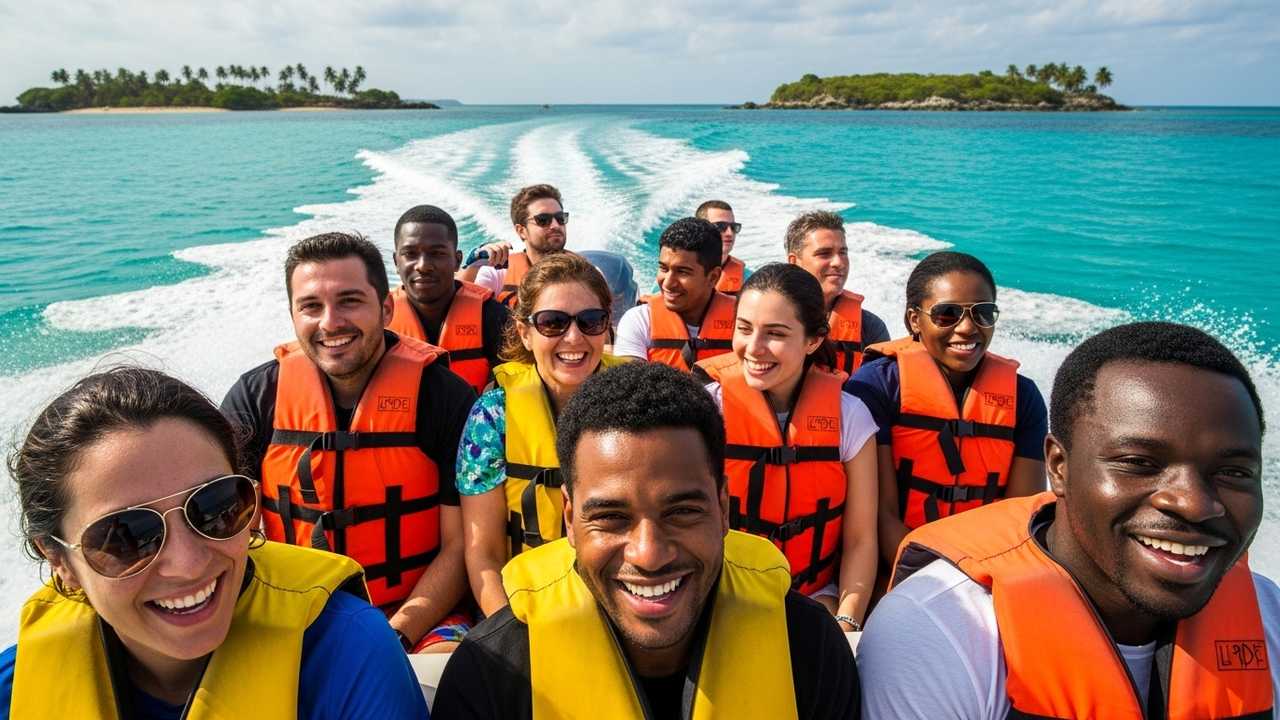
Small-boat safety needs a separate check. The U.S. advisory warns about tourist boats between Cartagena and nearby islands, especially during rougher seas in December and January. Canada also reports accidents involving unlicensed boats in Cartagena.
Muelle de La Bodeguita is the authorized departure point for tourist boats to the Rosario Islands and the San Bernardo archipelago. During bad sea conditions, Cartagena and the port authority may restrict or stop departures.
In February 2026, island departures and Playa Blanca boarding were restricted during a cold front with high winds and waves.
10 checks before boarding
- Check the seller’s name and RNT number. Colombian tourism providers must register with the Registro Nacional de Turismo and renew it each year.
- Book through the operator’s official desk or website. Keep the receipt and written itinerary.
- Leave from Muelle de La Bodeguita. Be careful with sellers directing you to an informal pickup point.
- Ask about insurance. Request the name of the policy or what medical and accident cover is included.
- Check the weather and departure status that morning.
- Inspect your life jacket. It should fit, close properly, and be available before departure.
- Look at passenger numbers. Do not board an overloaded boat.
- Record the boat and operator details. Send them to someone you trust.
- Confirm the return plan. Ask about return time, pickup beach, delays, and cancellations.
- Leave if the crew ignores an official restriction.
A low tour price may exclude port fees, island entry, lunch, snorkel equipment, or the return transfer. Get the full cost in writing before paying.
My Day Trips from Cartagena guide compares island trips, travel times, and costs.
Health and Medical Safety
Heat and dehydration
Cartagena is hot and humid. Heat illness can begin with heavy sweating, headache, weakness, nausea, cramps, or dizziness.
Stop walking, enter shade or air conditioning, loosen tight clothing, and drink water with electrolytes. Call for medical help if the person becomes confused, faints, has very hot skin, cannot drink, or does not improve.
Plan outdoor walks early in the day. Carry water, eat normally, and take an indoor break during the hottest hours. Alcohol can make dehydration worse.
Dengue and mosquito bites
DADIS recorded 1,891 dengue cases in Cartagena by epidemiological week 10 of 2026. This was lower than the same period in 2025, though it still shows active local transmission.
Use repellent during the day and evening. Dengue mosquitoes often bite during daylight hours. Choose a room with screens or air conditioning, and cover exposed skin when mosquito activity is high.
Seek medical advice for fever, strong body pain, eye pain, rash, repeated vomiting, or unusual bleeding.
CDC guidance says people with possible dengue should avoid aspirin and ibuprofen because they can raise bleeding risk. Use paracetamol or acetaminophen only as directed by a medical professional.
Go to urgent care for severe stomach pain, repeated vomiting, bleeding from the nose or gums, blood in vomit or stool, extreme tiredness, restlessness, or breathing trouble.
Food and water
Aguas de Cartagena stated in May 2026 that its treated water met Colombian health standards for direct consumption. Service cuts, low pressure, storage tanks, island supply, and individual building plumbing can still affect what reaches a tap.
Ask your hotel whether the tap water in your room is suitable for drinking and whether the building uses a storage tank. Use sealed bottled water or properly boiled water when the answer is unclear, during a service interruption, or on islands with limited supply.
Choose food that is cooked fully and served hot. Be more careful with raw seafood, food left in the heat, unpeeled fruit, and drinks made with water from an unknown source. My Street Food Cartagena guide covers common local snacks, popular food areas, typical prices, and how to choose busy stalls.
Protests, roadblocks, and local disruptions
Demonstrations can block roads and public transport with little warning. Avoid large gatherings and follow local instructions.
A protest in another Colombian region may still affect domestic flights or long-distance roads. Check your airline, bus company, hotel, and local news before an airport trip or day trip.
Road information is available in Spanish through the national highway line #767.
What to do in the first 30 minutes after theft
A stolen phone can give a thief access to email, banking, saved cards, passwords, and two-factor codes. Use this order.
First 5 minutes
- Move into a hotel, bank, staffed shop, or police point.
- Do not chase the thief or resist an armed robber.
- Ask someone you trust to stay with you.
- Call 123 if there is an immediate threat, injury, or violent robbery.
Next 10 minutes
- Use another device to mark the phone as lost or remotely lock it.
- Contact your mobile provider and block the SIM.
- Freeze bank cards and mobile banking.
- Change the email password first if email controls your other account resets.
- Remove the phone from payment apps where possible.
Next 15 minutes
- Write down the time, exact location, direction the thief went, vehicle details, and witness names.
- List every stolen item, serial number, and estimated value.
- Contact your hotel if keys, room details, or your accommodation address were taken.
- Start a police report.
- Contact your insurer and ask what proof is required before replacing expensive items.
Keep your phone IMEI, passport copy, insurance policy, emergency contacts, and backup login codes in a secure place that is separate from the phone.
Reporting a crime and making an insurance claim
Colombia’s ADenunciar system accepts online reports for theft from a person, home, or business, cybercrime, and extortion.
Online theft reports can require time for validation. Go to the nearest police or Fiscalía reporting point when you need immediate help or the case does not fit the online categories.
Collect:
- Police or case reference number
- Date, time, and exact location
- Photos of injuries or damaged property
- Item list with serial numbers
- Taxi plate, driver details, receipts, and route
- Bank and card-blocking confirmation
- Medical records and bills
- Replacement receipts
- Witness details
- Screenshots of messages, app rides, or bookings
Insurance rules differ. Some policies limit cash claims, unattended-property claims, alcohol-related incidents, or claims without a police report. Call the insurer early and follow its document instructions.
| Service | Number |
|---|---|
| National emergency line | 123 |
| Women facing violence | 155 |
| Kidnapping and extortion | 165 |
| Road information and safety | #767 |
| Child protection | 141 |
| U.S. Embassy Bogotá | +57 601 275 2000 |
| Cartagena taxi and traffic reports via WhatsApp | 323 319 0810 |
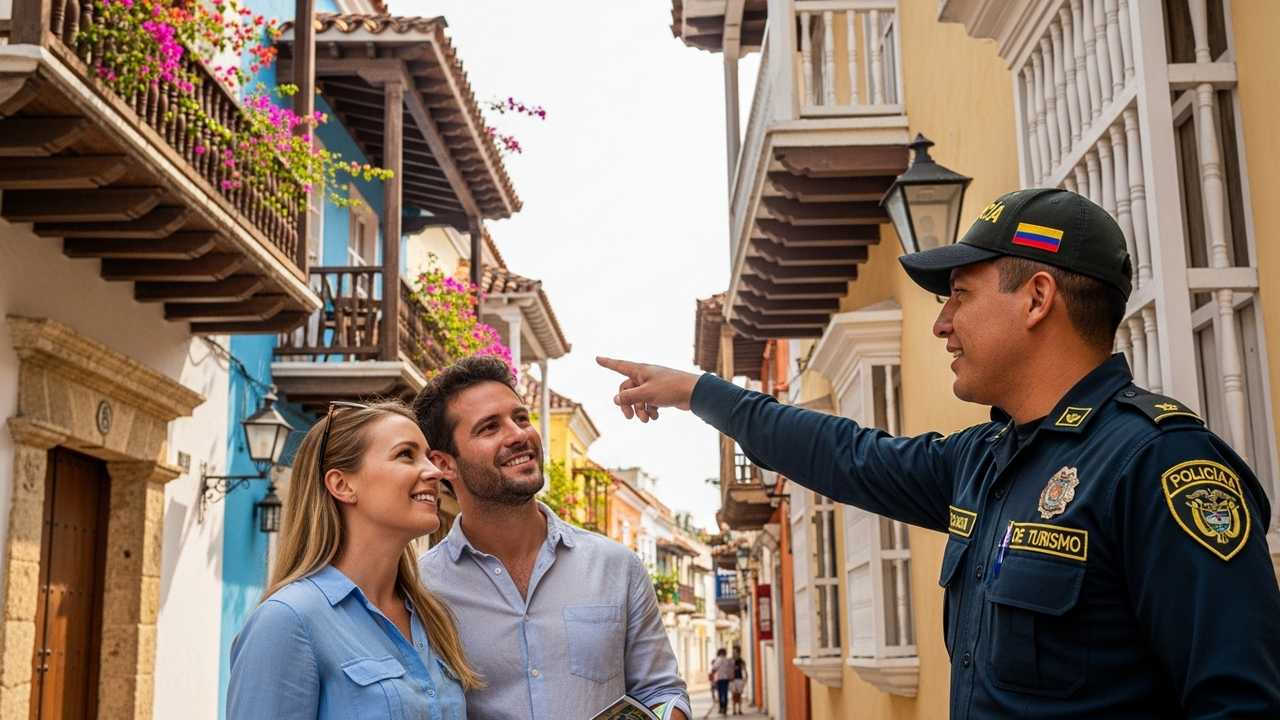
Colombia’s National Police currently lists 123, 155, 165, #767, and 141 among its official emergency and support lines.
Save the numbers in your phone and on paper. Add your hotel reception, insurer, bank, mobile provider, and embassy or consulate.
Cartagena safety checklist before travel
Before booking
- Choose a central area with a secure entrance.
- Read recent comments about the exact street and late-night noise.
- Check the operator’s RNT number for tours and tourist accommodation.
- Buy insurance that covers medical care, theft, and planned boat activities.
Reliable mobile data makes it easier to book rides, use maps, contact your hotel, and lock accounts after a stolen phone. Compare tourist SIM and eSIM choices in my SIM Card in Colombia guide.
Before flying
- Save digital and paper copies of your passport and policy.
- Record your phone IMEI and card-blocking numbers.
- Set a strong screen lock and turn on remote device tracking.
- Store two-factor backup codes away from the phone.
- Download offline maps.
- Save emergency contacts.
Each day in Cartagena
- Carry one card and limited cash.
- Keep your passport secured unless you need it.
- Check directions inside a business.
- Confirm every price before accepting a service.
- Take a ride when streets become empty.
- Keep control of drinks and transport plans.
- Check sea conditions before an island trip.
Final answer: is Cartagena safe for tourists?
Cartagena is a workable destination for visitors who plan around specific risks. Central accommodation, checked transport, firm price agreements, secure nightlife habits, and formal island operators reduce many avoidable problems.
No neighborhood or checklist removes all risk. Keep a recovery plan for theft, save the correct reporting channels, and change your plans when a street, driver, date, boat, or weather condition feels unsafe.